

I used to juggle five different extensions. It was messy. Keys scattered, networks popping up at random, and every time I wanted to move funds I felt a little uneasy—like I’d forgotten a step. Eventually I tried something different: a modern, multi-chain browser wallet that actually made the day-to-day work of DeFi less annoying and more secure. I’m not saying it’s perfect, but it solved enough problems that I stopped switching wallets every week.
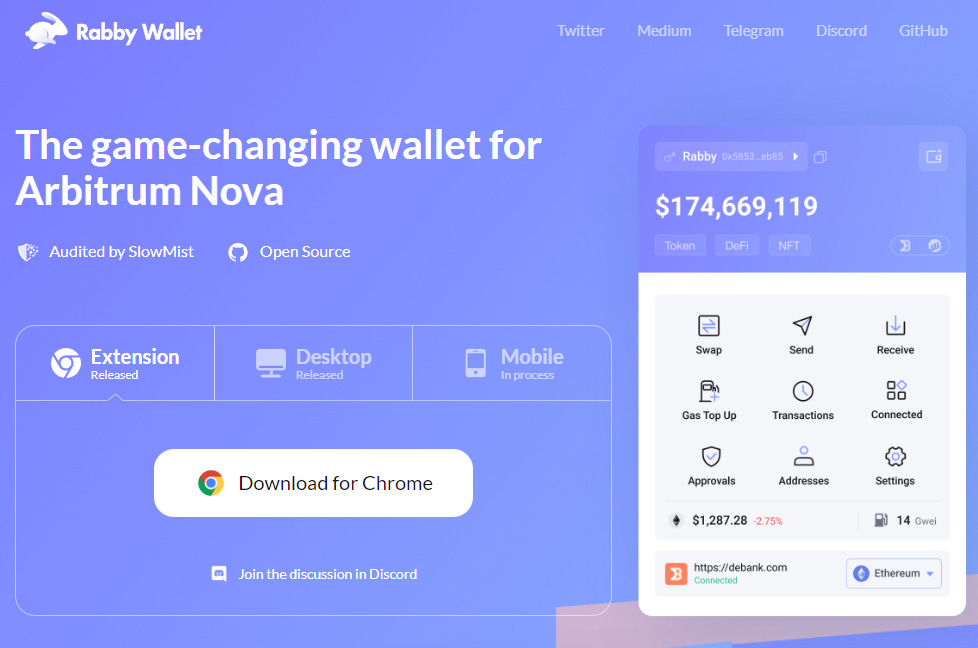
Here’s the thing. Wallets are not just UI anymore. They are little operating systems for money. They need to be fast, clear about permissions, and smart about managing multiple chains without confusing the user. That’s exactly where the rabby approach shines for me: it’s designed specifically for browser-extension workflows and multi-chain DeFi. If you want to check it out, download rabby and see how the flow feels in your browser.
What I liked first was the friction reduction. Setting up a new wallet used to be a thirty-minute affair—seed phrases, account naming, test transfers. With a focused extension you can be up and running in ten minutes, and most of that is just deciding whether to name an account “Main” or “Trading.” That sounds minor, but it matters over hundreds of interactions.
Multi-chain, but without the fog
Multi-chain support is the headline feature. But let’s be clear: many wallets claim to be multi-chain and then hide the complexity in little menus that you never read. Good multi-chain design keeps chains visible but unobtrusive. It lets you switch networks, view balances across chains, and sign transactions in a single consistent flow. For someone like me who bridges, farms, and stakes across Ethereum, BSC, and a couple of L2s, that consistency saves time—and mistakes.
Security is the other pillar. Browser extensions are convenient, sure. But they’re also the most targeted by phishing and malicious dapps. A wallet that forces explicit permission granularity, shows clear transaction details, and provides easy access to revoke approvals is worth its weight in saved funds. And yes, UI matters—if the revoke button is buried under five clicks, people won’t use it. My instinct told me to trust wallets that make those safety actions obvious.
One subtle but important feature: pre-flight transaction checks. Instead of simply waiting for you to hit Confirm, a thoughtful wallet surfaces gas estimates, token approvals, and even potential contract risks in the confirmation modal. It’s not perfect—there will always be edge cases—but it nudges users toward safer choices without lecturing them. Oh, and by the way, the small visual cues that indicate a contract address vs a known token make me less likely to sign anything sketchy; little things add up.
How I use it day-to-day
My typical session looks like this: open the extension, glance at combined balances, switch to the network I need, connect to the dapp, and sign. Sometimes I bridge assets; sometimes I manage approvals. Lately I’ve appreciated how quick it is to import a hardware wallet account and sign high-value transactions with a physical device, while keeping smaller, active balances in the extension for speed. That hybrid setup gives me the best of both worlds—convenience and cold-storage robustness.
I’ll be honest: I’m biased toward workflows that reduce cognitive load. If I have to think too hard about which chain a token lives on, I’ll make a mistake. A good extension provides clear chain context at the top of dialogs and prevents accidental switches mid-transaction. That design decision has saved me more than once.
Installation and first-run tips
Installing the extension is straightforward. After adding it to your browser, take these few steps: back up your seed phrase securely (yes, physically write it down), set a strong password for the extension, and connect your hardware wallet if you have one. Test with a small transfer first—always test. Look at the transaction modal carefully before confirming; does it show the token symbol, recipient address, and gas estimate in a way that makes sense to you?
Also, manage approvals proactively. Many DeFi apps request open-ended allowances. Revoke what you don’t use. Some extensions provide a one-click approval manager. Use it. On the other hand, don’t obsess over every single approval if you’re moving a lot; strike a balance between convenience and safety.
Common questions people actually ask
How safe is a browser extension compared to a mobile wallet? Honestly: both have attack surfaces. Mobile wallets can be safer if the OS is locked down and you use biometric unlocks, but extensions can be very secure if paired with hardware keys for high-value ops and if the extension enforces clear permission flows.
What about privacy? Extensions typically need to interact with RPC endpoints that can see wallet addresses. Some wallets offer RPC privacy features or let you run a private node. If privacy is critical, plan for that and use a wallet that supports it.
FAQ
Is rabby suitable for beginners?
Yes. It’s designed to be friendly for new users while offering power features for advanced users. The UI is straightforward, and basic flows are easy to follow. Advanced features like account imports and hardware wallet integration are also available for power users.
Can I use a hardware wallet with the extension?
Absolutely. Most modern extensions support connecting Ledger or other devices. Use a hardware wallet for large holdings and the extension for everyday interactions—this hybrid approach is practical and safer.
What if I lose my seed phrase?
Recovering without your seed phrase is usually impossible. That’s by design: if a thief can’t extract your phrase, they can’t steal your funds. So back it up securely—offline, multiple copies, trusted locations. Consider a metal backup for long-term storage.
Look, no wallet solves everything. There are trade-offs—ease versus ultimate security, convenience versus absolute privacy. But modern browser extensions that are built with multi-chain awareness and clear security affordances change the experience in meaningful ways. If you want a practical way to try that out, try rabby and see whether it fits your workflow. For me, it reduced friction and made daily DeFi less stressful—and that’s worth a lot.